
When Cancer Outlives the Casseroles
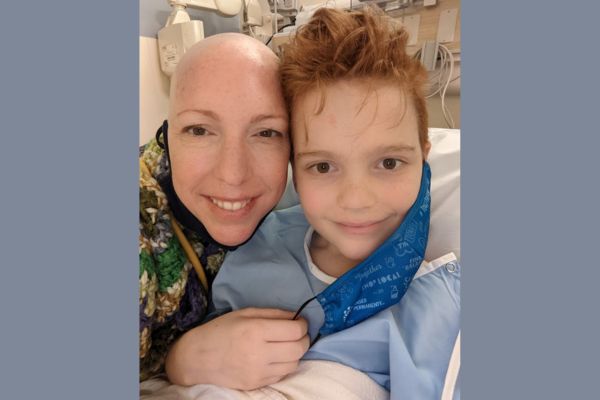 Shawna Majerus and her son
by Shawna Majerus
The casseroles eventually stop coming.
The text messages slow down.
People return to their busy lives.
I’m a six-time cancer survivor.
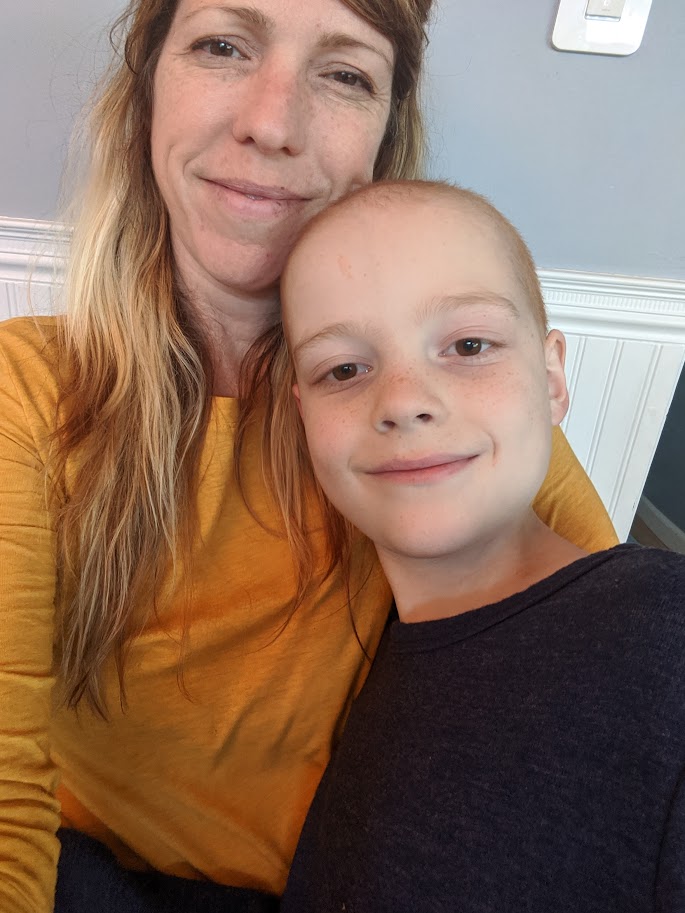
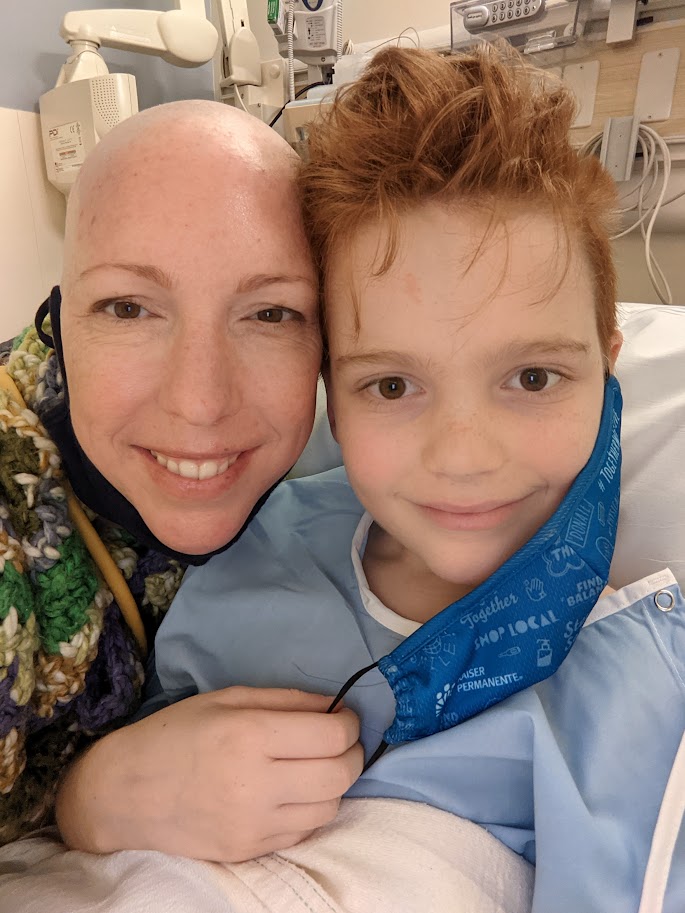
I’m also the mother of a kiddo who rocked leukemia.
Cancer has been part of the architecture of my life for a long time now. Not just once, not just a chapter, but something that has returned often enough that I’ve had to get very honest about what it means to keep living.
Over the years I’ve learned something uncomfortable but true: cancer often outlives people’s attention span.
When someone is first diagnosed, the world shows up. Meals arrive. Messages pour in. People check in and lean close to the story. There is love there, concern, and a real desire to help.
But cancer is rarely a short story.
Treatment stretches on. Recovery stretches on. The emotional aftermath stretches on even longer. And slowly, quietly, life pulls people back into their own busy worlds.
I don’t say that with resentment. It’s human nature. But it means that many survivors find themselves standing in a very different place than the one everyone else assumes they’re in.
The outside world thinks the story is over.
Inside, a completely different story is just beginning.
When my son was in pediatric oncology, I spent long hours in clinic waiting rooms with other families. We were surrounded by incredible support. Nurses who cared deeply. Social workers checking in. Communities organizing meal trains and fundraisers.
And yet something interesting came up again and again.
Even with all that support, about 95 percent of people thought of the same five things when they wanted to help. A casserole. A gift card. Groceries. A ride. Maybe childcare.
All generous. All appreciated.
But what families often need most is something different.
Cancer isn’t a two-week problem. It’s a long road. What many of us need is someone who quietly puts an alarm on their phone and checks in every couple of weeks for the next two years. Someone who understands that the real work of cancer stretches far beyond the moment when everyone else assumes things are better.
And on the other side of that equation is something just as important: learning how to receive help.
In our brains and in our bodies, we often have to move past the pride that tells us we should handle this ourselves. We have to step outside the fear of feeling helpless.
But receiving support is its own kind of strength.
I’ve come to believe that type of strength is the new brave.
After my first diagnosis, I thought survivorship meant getting back to normal. But cancer has a way of rearranging your priorities, your identity, and the way you move through the world.
After multiple diagnoses, I realized something else.
Survivorship isn’t about going back.
It’s about deciding what kind of life you want now.
That question can be surprisingly hard. After you’ve been through something life-altering, it’s much easier to talk about what you don’t want than what you do want.
But that clarity matters.
We talk a lot about boundaries in the wellness world. But boundaries only make sense when you know what you’re protecting.
What are you protecting your time for?
What are you protecting your energy for?
What kind of life are you actually trying to build?
Those questions sit at the center of my work today.
In my work, I get to walk alongside people who have been through life-altering experiences while they reconnect with what matters most and build lives that reflect it. Together, we move from survival mode into intentional living. People begin to trust their own voice again. They make clearer decisions about how they spend their time and energy. They stop organizing their lives around fear and start organizing them around purpose.
Often, the very qualities that helped someone survive the hardest chapter of their life become the foundation for what they build next.
Think about it. The virtues, values, and character traits required to get through cancer, patience, endurance, the ability to make high-stakes decisions, are the very same traits people spend years, even fortunes, trying to develop.
And somehow, we were given them, for free, in the storm.
Standing in rooms filled with survivors is always humbling. The courage in those spaces is palpable.
But what moves me most is watching people realize that the qualities that helped them get through cancer are not just survival skills.
They are life-building skills.
Resilience. Adaptability. Perspective. The ability to face hard truths and keep going.
Those are powerful capacities.
I often tell people they’re not just hearing my comeback story.
They’re part of it.
The truth is that my life is still unfolding, just like theirs, and just like yours, dear reader. I’m still learning, still growing, still asking the same questions about purpose and alignment that I invite others to explore.
Cancer may have been the interruption in the story.
But it also became the teacher.
It stripped away assumptions. It clarified what matters. It revealed the power of living with intention instead of inertia.
And perhaps most importantly, it reminded me that surviving is only the first step.
The real work, the brave work, is learning how to want a life again.
Shawna Majerus is a six-time cancer survivor, speaker, and coach who helps people transform life’s hardest experiences into clarity, strength, and purposeful living. Through her work, Shawna supports individuals navigating survivorship, identity shifts, and life after major adversity. Learn more about her at ShawnaMajerus.com.