Emotional Health After Cancer Treatment Ends: What to Expect
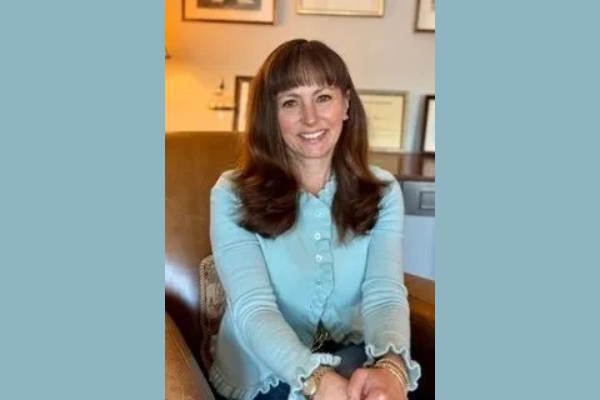 Dr. Laura Lehmann
by Laura L. Lehmann, PsyD, LP
The last treatment is a milestone, and it can bring surprising feelings. Here is how to make room for them and build a life that feels like yours again.
For months, maybe longer, your days had a shape. Appointments. Treatments. A team of people checking on you. Then one day, the last treatment is done.
Friends cheer. Family members breathe a sigh of relief. And you may find yourself thinking, “Why don’t I feel the way I thought I would?”
If that sounds familiar, you are in good company. Mixed feelings after treatment ends are very common. They don’t mean anything has gone wrong. They mean you are adjusting to a big change.
Why the finish line can feel strange
During treatment, much of your energy goes toward getting through each day. There is often little room to process what has happened. When treatment ends, those feelings finally have space to come forward.
Many survivors describe a blend of emotions:
- Relief and gratitude that treatment is over
- Pride in what they have come through
- Sadness about what cancer took, such as time, energy or plans
- A sense of being “cut loose” from the care team
- Worry about what comes next
All of these can show up in the same week, or even the same afternoon. Feeling happy one moment and teary the next is a normal part of the process.
It can help to think of this time as a transition rather than an ending. You are not going back to exactly who you were before. You are finding a new normal, and that takes time.
When checkups bring worry
Follow-up visits are a healthy part of life after treatment. They can also stir up worry, especially in the days before an appointment.
Concern that cancer might come back is one of the most common feelings survivors share. For many people, it softens over time. It may still return around checkups, anniversaries, or a new ache or pain.
A few approaches can help:
- Plan the day of the visit. Decide in advance who will go with you and what you’ll do afterward. A walk, a favorite lunch, or a call with a friend gives the day a kind ending.
- Write questions down. Bring a short list to each visit. Getting clear answers often eases the “what if” thinking.
- Ask about your follow-up plan. Knowing what tests are scheduled, and why, can make each one feel less like a surprise.
- Notice the worry without arguing with it. Try saying to yourself, “This is checkup worry. It makes sense, and it will pass.” Then turn your attention back to what you are doing.
If worry starts to crowd out sleep, work, or time with people you love, mention it to your care team. That is useful information for them, and support is available.
Rebuilding routines, one piece at a time
Many survivors are eager to get “back to normal” right away. Others feel unsure where to begin. Both are understandable.
Your body and mind may need time to recover. Energy can return slowly. It helps to set expectations that are kind rather than strict.
Start small. Pick one or two routines that matter to you, such as a morning walk, a regular bedtime, cooking a simple meal, or returning to a hobby. Add more as you feel ready.
Celebrate small wins. The first full day without a nap. The first evening out with friends. The first time you make plans weeks ahead. Each one is a sign of moving forward.
Reconnecting with the people around you
Cancer changes relationships, often in ways no one expects. Some loved ones step up in beautiful ways. Others may pull back because they don’t know what to say.
After treatment, the people around you may assume you feel fine now. You may feel pressure to act that way, even on hard days.
Honest, simple words can help. You might say, “I’m glad treatment is over, and I’m still finding my footing.” That gives others a chance to keep supporting you.
Partners and family members are adjusting too. They may have held their own fears in during treatment. Making time to talk about how each of you is doing can bring you closer. It is also fine to want some conversations that have nothing to do with cancer at all.
Finding meaning in your own way
Some survivors want to talk about their experience, volunteer, or help others facing a diagnosis. Others want to set cancer aside and focus on family, work, or fun. There is no right way.
What matters is choosing what feels true for you. Your values may have shifted. You may want to spend time differently than before. Paying attention to those changes can help you shape a life that fits who you are now.
When to reach out for more support
Ups and downs are expected. But some signs suggest it is time to talk with someone:
- Sadness or worry that lasts most days for more than a couple of weeks
- Trouble sleeping or eating that doesn’t improve
- Losing interest in things you usually enjoy
- Feeling alone, even around others
Asking for help is a strong, practical step. Your care team, a counselor, a psychologist or a survivor support group can help you sort through what you are feeling. Many cancer centers offer these services to survivors and families.
The end of treatment is a real milestone. Give yourself permission to feel all of it, the relief and the uncertainty alike. With time, patience, and support, many survivors find that life after treatment holds new strength and new joy.
Laura L. Lehmann is a licensed clinical psychologist with Dr. Laura Lehmann, PLLC, in Franklin, MI, and has been in practice since 1997. She offers individual and couples therapy in Franklin and by telehealth anywhere in Michigan. Read her cancer emotional support guide, or call (248) 270-2030.
ACTION: For more information on life after cancer treatment, visit National Cancer Institute, “Life After Cancer Treatment”: cancer.gov/about-cancer/coping/survivorship/new-normal. For additional resources on anxiety, visit American Cancer Society, “Anxiety”: cancer.org/cancer/managing-cancer/side-effects/emotional-mood-changes/anxiety.html.