Chemotherapy and Nerve Health
A Guide for Cancer Survivors
By Berfin Mahmut, PT, DPT, CLT-LANA, OnCS
Chemotherapy-induced peripheral neuropathy (CIPN) is a common side effect of some chemotherapy drugs. It can affect the nerves in the hands and feet and may occur during treatment or continue for a time after treatment ends. For many survivors, symptoms improve after chemotherapy is finished, although recovery can vary, and some individuals may notice symptoms that persist for a period of time. In some cases, nerve symptoms may become bothersome and need to be addressed so treatment can continue as safely and comfortably as possible. Recognizing early signs and understanding your personal risk can help you and your care team take steps to reduce symptoms and manage them effectively. This article will help you understand what chemotherapy-induced peripheral neuropathy is and what you can do to help prevent or reduce its effects.
Chemotherapy-induced neuropathy happens when some chemotherapy drugs affect nerves that are located away from the center of the body, such as those in the hands and feet. Certain medications are more likely to cause these nerve changes than others.
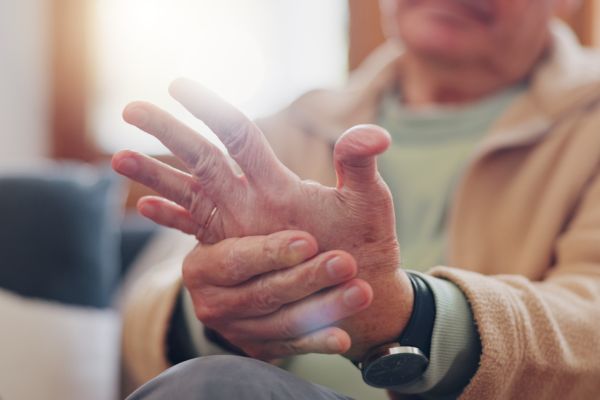
CIPN usually affects both sides of the body in a similar way. The nerves responsible for feeling sensations are often affected first, so early symptoms may include numbness, tingling, “pins and needles,” or a burning feeling in the hands or feet. Some people may also notice cramping. If symptoms continue or increase, muscle weakness can develop, which may affect balance or make everyday tasks, such as buttoning clothes, opening jars, or holding small objects more difficult.
CIPN tends to develop gradually over time rather than at the very beginning of treatment. Symptoms often appear later in treatment or shortly after treatment ends. Certain factors, such as a history of neuropathy, diabetes, higher doses, or longer courses of chemotherapy, and lower levels of physical activity before treatment, may increase the chance of developing symptoms.
Managing CIPN is important not only for comfort, but also for staying active, maintaining independence, and tolerating treatment as well as possible. Depending on your symptoms and overall health, your doctor may recommend medications to help manage nerve-related pain. In addition, there are everyday strategies that may help reduce symptoms and support nerve health.
Approaches such as acupuncture, exercise, and a healthy diet may help both prevent chemotherapy-induced peripheral neuropathy and manage symptoms if they occur. These strategies can help improve sensation, reduce pain, and support overall well-being.
Exercise has added benefits for nerve health. It supports nerve recovery in several ways. Moving your body increases blood flow, which helps nourish the nerves and clear away substances that can irritate them. It can also reduce inflammation and stress, calm sensitive nerves, and boost mood. In addition, regular physical activity may help support nerve healing and reduce pain by activating the body’s natural pain-relief systems.
For many people, exercise is a safe and helpful way to manage chemotherapy-related nerve symptoms. Working with a trained professional can make these efforts even more effective. Physical and occupational therapists, especially those with oncology experience, can evaluate your symptoms and design a personalized plan to help you stay active and confident in your daily activities.
You may work with a physical therapist who will begin by learning about your cancer treatment and current symptoms. They may assess sensation, strength, balance, and functional movement to better understand how neuropathy is affecting you. Based on this evaluation and your personal goals, your therapist will create an individualized treatment plan focused on improving function, safety, and quality of life.
Chemotherapy-induced peripheral neuropathy is a common but manageable side effect of cancer treatment. While symptoms can be uncomfortable and sometimes disruptive, early recognition and working closely with your care team can make a meaningful difference. A combination of medical management, healthy lifestyle choices, and supportive therapies, such as physical therapy or acupuncture, can help reduce symptoms, support nerve health, and improve daily function.

Berfin Mahmut is a Doctor of Physical Therapy, a certified lymphedema Therapist, and a cancer Exercise Specialist who specializes in cancer rehabilitation at Mount Sinai in New York, NY.