
When the Hardest Chapter Changes the Story
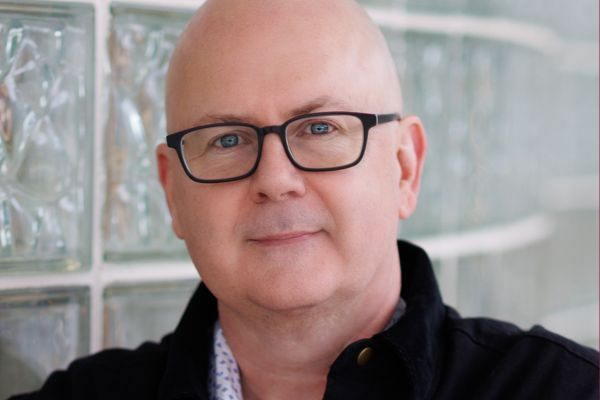 Steve Garraty
by Steve Garraty
At 18, I thought I was standing at the starting line of adulthood.
I had graduated from high school and was preparing for college. Then I was diagnosed with Stage III Hodgkin’s lymphoma. After doctors removed a grapefruit-sized malignant tumor from my neck, the future I had imagined was replaced by nearly a year of chemotherapy, nausea, exhaustion and uncertainty.
While friends were beginning college, I was trying to get through one treatment at a time. There were days when fear was louder than hope. I wondered whether I could endure another appointment and whether the life I had pictured would ever be possible.
Cancer was the worst year of my life. I would never suggest otherwise.
But as time passed, I began to see that the hardest experience of my life did not have to define the rest of it.
A diagnosis is not something we choose. Neither are many of the losses, disappointments and hardships that come our way. We do not control every circumstance, but we can influence what happens next. We can choose how we respond, what we learn, how we treat people and the kind of life we build on the other side.
For me, that began with perspective.
After treatment ended, I went on to college. During my freshman year, I watched It’s a Wonderful Life for the first time. I did not expect a black-and-white Christmas movie to change the way I looked at my own life, but it did.
George Bailey’s problems did not disappear. His circumstances remained difficult. What changed was his perspective. He saw the people who loved him, the moments he had overlooked and the value of a life he had nearly given up on.
Cancer had already begun to teach me a version of that lesson. I had been given another chance at life, and I wanted to live it differently.
I began to see my life in two parts: the 18 years before cancer and the years that followed. The second life was not the one I had planned, but it became the one I was determined to make meaningful.
That decision has shaped nearly every part of who I am.
As a husband and father, it made me more aware that time with the people we love is precious. I try to be more present, more patient and more intentional about expressing appreciation. Cancer taught me that love should not be assumed or left unspoken.
As a friend, I remember the people who stood beside me during treatment. Their presence showed me that support does not always require the perfect words. Sometimes it is a ride to an appointment, a phone call, a shared laugh or simply refusing to let someone feel alone. Those lessons have made me want to be that kind of friend for others.
As a business leader, cancer gave me a greater sense of empathy. People often carry struggles we cannot see. I try to lead with more patience and understanding, remembering that success matters, but people matter more.
It has also helped me keep everyday frustrations in perspective. A difficult day at work, a missed opportunity or a disagreement can still be disappointing. But I have learned not to allow one setback to become the entire story. I remind myself that I have faced much harder days and that there is still much to be grateful for.
That does not mean gratitude comes easily every day. Perspective is a practice. It is a choice I have to make again and again, especially when life feels unfair or overwhelming.
Nearly four decades after my diagnosis, I wrote Greatfruit: How Cancer Led to Living a More Fruitful Life to share the lessons that emerged from that season. The book is not about pretending adversity is easy. It is about the possibility that, even after life changes us in ways we never wanted, we can still choose to grow, connect more deeply and live with greater purpose.
The worst moments in our lives may leave scars. They may alter our plans forever.
But they can also become a turning point.
We may not control the circumstances that change us. We do have a say in whether they make us more grateful, more compassionate, more present and more willing to use our lives to encourage someone else.
That is the life I chose to build after cancer.
Steve Garraty is a cancer survivor, sales leader, speaker, and author of Greatfruit: How Cancer Led to Living a More Fruitful Life. Diagnosed with stage III Hodgkin’s lymphoma at age 18, Steve turned one of life’s hardest seasons into a lifelong mission to help others face adversity with hope, gratitude, and perspective. Through his writing, speaking, and mentoring, he encourages people to find meaning in difficult experiences and live a more purposeful, fruitful life. Learn more about Steve at SteveGarraty.com.
He lives in Tampa with his wife, Wendy, and is the father of two adult children and a proud grandfather.
Everyone has a unique story to share. Do you want to share your survivor story?
We consider a cancer survivor to be anyone living with a history of cancer –
from diagnosis through the remainder of life.
Here are our submission guidelines.