It Could Happen to You
 Lauren Caggiano
What I Wish the World Knew About Breast Cancer
by Lauren Caggiano
My life Before Cancer (“BC” for short) seems like decades ago and just yesterday at the same time. My world forever changed in late summer 2021, at age 37, when I found the lump. I wish I could tell you I was doing the recommended breast self-exams regularly. Instead, the winning combination of ADHD and clumsiness saved my life. I was running late and hurrying to get out the door when I bumped into the bathroom door frame.
In an odd twist of fate, I must have hit the lump. I thought to myself, “Surely I couldn’t have a bruise from such a minor trauma?” I’d learn later that the inflammation wasn’t a bruise but a tumor in my left breast. I’m not sure how long it was there, but that sucker definitely made itself known on that random day.
I tried to stay calm and went on with my life normally. Around that time, I had coincidentally come across an Instagram live video in which a breast surgeon had outlined the signs of breast cancer and what to do if you find a lump. As I recall, she suggested monitoring the concern for a month. (Breast tissue changes throughout the menstrual cycle.) If you still detect a lump, it’s best to follow up with your OB/GYN.
A month later, the lump was still there, so I called my provider and got in a few weeks later. In the exam, we both agreed there was a palpable growth. “I don’t mess with breasts,” Dr. Thomas said. “I’m sending you across the street for imaging.” Years later, I’m grateful she took me seriously, being “so young.” That’s an experience not afforded to everyone, unfortunately. Medical gaslighting is real and far too common.
When Dr. Thomas’ nurse asked, “Where do you get your mammograms?” I was caught off guard and scared. I had never had such a scan, only being in my late 30s. Following the diagnostic mammogram, I had an ultrasound and later a biopsy. On December 3, 2021, I got the news. It was the Big C. At that point, I had no clarity on the type of breast cancer, stage, treatment, or prognosis. It was a dark night on the soul.
Fast-forward to the following week, and I learned I had a common type of hormone-sensitive breast cancer, Invasive Ductal Carcinoma, stage IIA. What followed was seven grueling months of chemo, surgery, and radiation.
Today, I’m cancer-free (No Evidence of Disease as they say) and thriving, all things considered. The latter isn’t necessarily the norm for survivors, given the common pesky side effects of active treatment and adjuvant therapy. What’s becoming more common, however, is young survivorship. Breast cancer incidence is increasing in American women under 40, in the aggregate, according to the Columbia University Mailman School of Public Health.
Researchers consulted the US Cancer Statistics database and analyzed age-adjusted breast cancer incidence rates in women aged 25 to 39 from 2001 to 2020. They discovered that breast cancer rates in women under 40 increased by more than 0.5% per year in 21 states, while remaining stable or declining in others.
This data only solidifies my hunch. Breast cancer is no longer your mother’s or grandmother’s disease. Women under 40 facing such a diagnosis represent a harsh reality that cancer doesn’t care about your age, gender, hopes, and dreams. Today, I’m on a crusade to educate the public that women under 40 aren’t too young to get the disease. And we young survivors are navigating life post-diagnosis and living and working among you — scars and all.
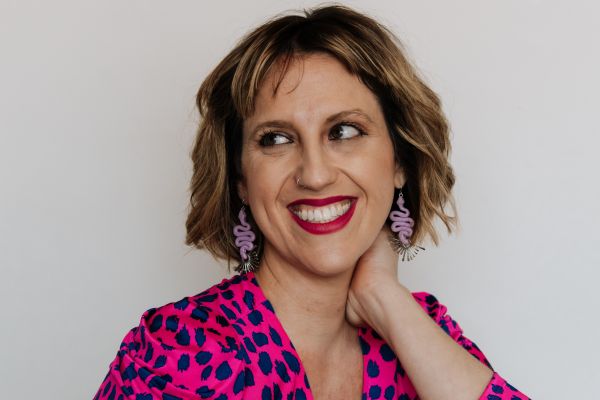
A survivor of hormone-positive breast cancer, Lauren Caggiano is a copywriter and journalist based in the Midwest. She enjoys fitness, thrift shopping, and travel in search of the best vegan fare.