
A Conversation with
Cokie Roberts
Knowledge is Power
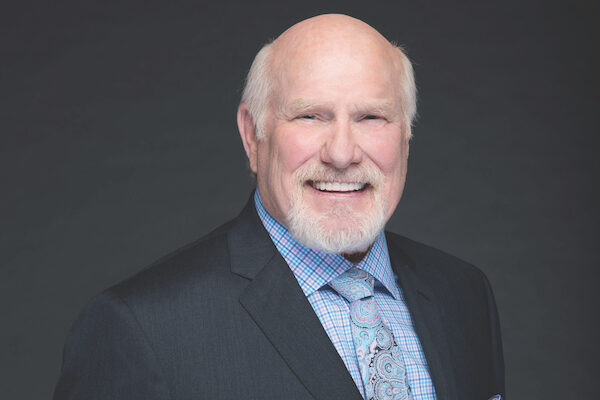
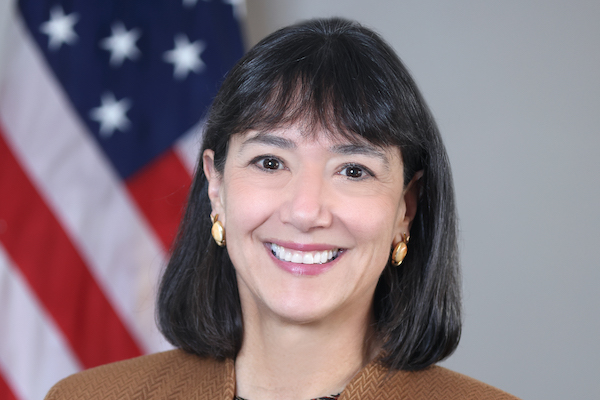
“Knowledge is power. That is the first thing I would tell someone who has been diagnosed with cancer,” says Cokie Roberts. This is sound advice coming from a respected journalist – especially one who is a breast cancer survivor.
RSS

Getting the Psychosocial Support You Need
At one time, physicians focused mainly on the technical aspects of cancer treatment and paid little attention to the psychological or social needs of the people they were treating. For instance, men with prostate cancer may have been unprepared for the bodily changes that accompanied surgery or radiation, and young people who were cured of leukemia after physically difficult treatment courses may not have known what to expect later on.

When Your Partner Has Cancer
A cancer diagnosis in the family can elicit strong emotions – fear, anger, sadness – and those strong emotions can interfere with your ability to problem solve and engage in life. In order to find a “new normal” after diagnosis, it helps to become aware of how you and your partner communicate and function as a team.

Rebuilding After Breast Cancer
What You Should Know about Breast Reconstruction after Mastectomy
Breast cancer will affect nearly one out of every six women during their lifetime. The Women’s Health and Cancer Rights Act of 1998 mandates that insurance companies provide coverage for all breast reconstruction surgeries, including symmetry procedures for the other “non-cancer” breast.

Facing the Fear of Recurrence
President Franklin D. Roosevelt said it best in his inauguration address in 1933: “The only thing we have to fear is fear itself.” In other words, the event we most fear could change our life, but the fear of that event (which might not even happen) can be more disruptive. Chronic fear is insidious.

Women, Cancer, & Sexuality
After cancer, women often feel they have lost a significant part of themselves and their sexuality. Mourning is natural. Women need to learn ways to cope with this loss. But when mourning locks you in, when you let it act as a kind of emotional quicksand, it compounds the tragedy of loss. Many women feel that their cancer has not just changed their sense of self, but has damaged it.
A Look through My Window
by Ryan Hamner
It’s been 14 years since my last bout with Hodgkin lymphoma, but regardless of the medications I was on at the time, I vividly remember looking out the hospital window while battling an infection just before my stem-cell transplant. It was an infection that left me with a fever like I had never had before; I couldn’t move and was in a great deal of pain.