
Food for Thought

Getting the Nutrition You Need during Cancer Treatment
by Anita Ratterman, RDN, CSO, LDN
Good nutrition is essential for keeping all human beings healthy and strong. It is even more important for people undergoing cancer treatment.
Cancer can cause you to have a compromised nutritional status. It can decrease your appetite and make certain foods difficult to tolerate. Moreover, side effects of cancer treatment (including surgery, chemotherapy, and radiation) may add to this, making eating more work than enjoyment.
Meanwhile, how and what you eat before and during cancer treatment can affect how well you tolerate your treatment. People who are well nourished tend to tolerate treatment better, require fewer breaks in treatment, and recover better. Being better nourished may also help you maintain your weight and strength and improve your quality of life. It is crucial for cancer survivors to work through the barriers to good nutrition during cancer treatment and eat a healthy diet, as nutrition plays a vital role in cancer treatment and recovery.
Smoothies are a good way to get in a few extra servings of fruits and vegetables. Try one with berries, banana, spinach, and avocado for a creamy, antioxidant-rich snack or meal.
Eating Well During Cancer Treatment
On days you are feeling well and have a good appetite, or if treatment has not negatively affected your appetite, you want to make the healthiest food choices you can. Eating a more plant-based diet can help improve your overall nutritional status and boost your immune system. Work toward gradually increasing your servings of vegetables, fruits, whole grains, beans, nuts, and seeds.
Begin by adding fruits and vegetables you like and tolerate well. Smoothies are a good way to get in a few extra servings of fruits and vegetables. Try one with berries, banana, spinach, and avocado for a creamy, antioxidant-rich snack or meal. (See sidebar for additional tips on how to sneak more fruits and vegetables into your daily diet.)
Try to include several servings, and at least three different colors, of plant foods each day. The darker or more vibrant the color, the better. Also, try to include at least three servings of whole grains per day. Whole grain breads and cereals, pastas, crackers, brown and wild rice, and quinoa are good options to try.
As you increase your intake of fruits, vegetables, and whole grains, you should also work on decreasing your consumption of processed foods and red meats. A few times a week, plan a meatless meal, or even a meal with no animal products at all.
One trick that can help you stay on track with healthy eating is meal planning. Make a large salad or a pot of hearty soup that you can use to supplement your lunches or dinners for the entire week. Better yet, ask a family member or friend to make it for you. When preparing a meal, make extra and plan to eat the leftovers for another meal that week or freeze them for later.
6 Tips for Sneaking More Fruits and Vegetables into Your Daily Diet
1. Add berries to oatmeal or cold cereals.
2. Snack on apples or bananas with nut butters.
3. Have trail mix with dried fruit and nuts as a snack.
4. Add extra chopped vegetables to casseroles, egg dishes, chili, and soups.
5. Nosh on raw vegetables and hummus.
6. Add spinach, tomato, cucumber, and other sliced vegetables to sandwiches or wraps.
Overcoming Barriers to Good Nutrition
While eating a plant-based diet may be ideal, it is not always possible. Cancer can affect your ability to digest and utilize nutrients. Moreover, some side effects of cancer treatment can take away your appetite and make eating difficult. Managing the nutrition-related side effects of cancer therapy is important, but can be tricky. Here are some tips to help you overcome common barriers to good nutrition during cancer treatment.
• Decreased appetite
Rather than trying to eat three meals a day, try having a small meal or snack every two to three hours. Don’t wait until you feel hungry to eat. Set timers or alarms to remind you when it is time to eat. Keep in mind that mealtime does not need to be a full meal. Try to have a good protein source along with a carbohydrate to provide energy. For example, a small meal might include an apple with cheese, raisin toast with peanut butter, or yogurt mixed with fruit or trail mix.
Sometimes, it just feels like too much work to fix something to eat. For those days, keep a supply of ready-to-eat foods on hand.
Eat your favorite foods at any time of day, regardless of whether it’s the “right” time for those foods. It is perfectly all right to have breakfast for dinner or to eat a sandwich for breakfast if that is what sounds good to you. All that matters is that you eat something nutritious.
• Nausea
Chemo-induced nausea can have a tremendous effect on your ability to stay nourished and hydrated during treatment. If your doctor has prescribed medication to treat your chemo-induced nausea, take it as instructed. If it is not helping enough, talk to your doctor about other options.
There are also several non-medical techniques you can try to help lessen treatment-related nausea. For example, ginger can help relieve nausea and settle a queasy stomach. Try sipping on ginger ale or ginger tea. Ginger candies or lollipops may also help.
Having an empty stomach can increase feelings of nausea. Eating small, frequent meals or snacks can help keep it at bay. Food odors can also aggravate nausea. Chilled foods give off fewer food odors and may be better tolerated by people who are prone to treatment-related nausea. You can also keep kitchen fans on and windows open when cooking to help get rid of odors more quickly. If possible, go to a different part of the house while someone else does the cooking.
• Mouth soreness
Having a sore mouth or throat can certainly affect the types of food you can eat. To help lessen the pain while eating, stick with cool, moist foods that require little chewing. Yogurt, canned fruits, pudding, soft-cooked eggs, soups, creamy macaroni and cheese, and mashed potatoes are some options you can try. This may also be a good time for making smoothies from fresh or frozen fruits and green vegetables. Be sure to add a protein source, like peanut butter, Greek yogurt, or protein powder, as it can be difficult to get enough protein when mouth sores are restricting your ability to eat.
Good mouth care is essential to preventing and managing mouth sores. Rinse your mouth with a mixture of baking soda and water, or a non-alcohol mouthwash, several times a day, especially before and after eating. Brush your teeth with a soft toothbrush at least twice daily. Talk to your doctor about topical medications you can use to relieve mouth pain.
• Taste changes
Some types of chemotherapy, as well as radiation to the head or neck, can alter your taste buds. It can be frustrating when your favorite foods just do not taste the same as they used to. To enhance the flavor of your food, try adding sauces, gravies, or salad dressings. Some foods may need a sprinkle of salt or sugar, or maybe a few drops of vinegar or lemon juice, to perk up the flavor.
Red meats often take on a bitter flavor during cancer treatment. Try eating chicken, fish, eggs, beans, or dairy products instead to get your protein. Chilled foods tend to stay more true to their flavor. Egg or tuna salad, cottage cheese, and yogurt are some chilled foods you can try. You can also keep chilled or frozen fruits like melon, grapes, sliced apples, and oranges on hand for snacking.
• Fatigue
Fatigue can play a significant role in your ability to prepare and eat meals. Sometimes, it just feels like too much work to fix something to eat. For those days, keep a supply of ready-to-eat foods on hand. Frozen or canned soups, string cheese, and single-serve containers of yogurt, cottage cheese, pudding, or custard are good options to have available.
When you feel well enough, try batch cooking and freezing single-serve meal portions to be eaten later. Or, ask family and friends to cook an extra portion of their meals to share with you. If you are doing the cooking, try one-pot meals or microwaving for less cleanup.
Reaching Out for Help
If side effects of treatment are affecting your ability to eat and maintain a healthy weight, ask your doctor or nurse if there is a registered dietitian available to help you. Registered dietitians, especially board-certified oncology registered dietitians, should have a good understanding of your cancer and how treatment is affecting your ability to eat. They can help you plan meals and work with you to manage the nutrition-related side effects of your treatment.
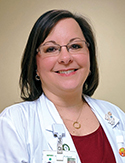
Anita Ratterman is a registered dietitian, with board certification in oncology nutrition, at Northwest Community Healthcare in Arlington Heights, IL.
This article was published in Coping® with Cancer magazine, May/June 2019.